Local Government Reorganisation - will it work?
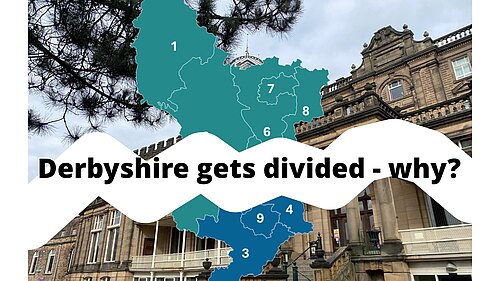
Despite the positive comments coming from some of the local Labour leaders like Nadine Peatfield (Derby City) and Anthony McKeown (High Peak) there is no doubt that all councils will find the mechanics of reorganisation an unwelcome distraction from the day to day business of running their services.
Significant resources have already been set aside just to plan how to unravel the complexities of who currently does what and where, and then re-organise it along the newly assigned boundaries of the two unitary authorities.
Residents might welcome the idea that now there is just one council to contact about all matters, but do they realise that there will now be far fewer councillors to represent them when decisions are made about services in their area? For example Derbyshire Dales residents currently have 34 District Councillors and 6 County Councillors representing them. This total of 40 will decrease to just 12 after LGR. Each councillor for the new Unitary will represent around 6,500 residents as opposed to around 1850 at present.
Those people who have experienced the good level of service and attention to detail given by local ward district councillors, could find out what it's like not to be represented by anyone with local knowledge at planning meetings.
Great financial savings that were previously predicted have now shrunk dramatically. The chief executives of the current 10 Derbyshire councils recently wrote a joint letter to the Government raising significant concerns about the local government reorganisation processes, saying proposed savings had all but disappeared. They said the continued deterioration of council finances now meant the new councils would start off in a worse position than anticipated.
Clearly having fewer ‘chiefs’ should result in a long term saving but the short term costs just to manage the changeover will be huge. Experience elsewhere in the country suggests that these costs are unlikely to be recouped from any future savings.
Local Lib Dems did not support this LGR move from the Labour government. Although Lib Dem led Derbyshire Dales District Council are committed to making it work, we regret the inevitable disruption and loss of democratic representation that it will produce.
Where possible, we will be pressing for more powers to be devolved to local groups like town and parish councils so that what happens in your street is not solely controlled by a handful of people in a council chamber many miles away.